In most of the world’s industrial giants, “nature” is a destination. If you want to see the wild, you pack a bag, board a long-distance bus, and spend two hours escaping the concrete and steel. But in Hangzhou, we live by a different geometry. Here, the threshold between a bustling café and a wild sanctuary is often just a single street.
We call it a Mountain-Water Garden City (山水园林城市). It is a place where the city doesn’t just sit next to nature; it is interwoven with it.
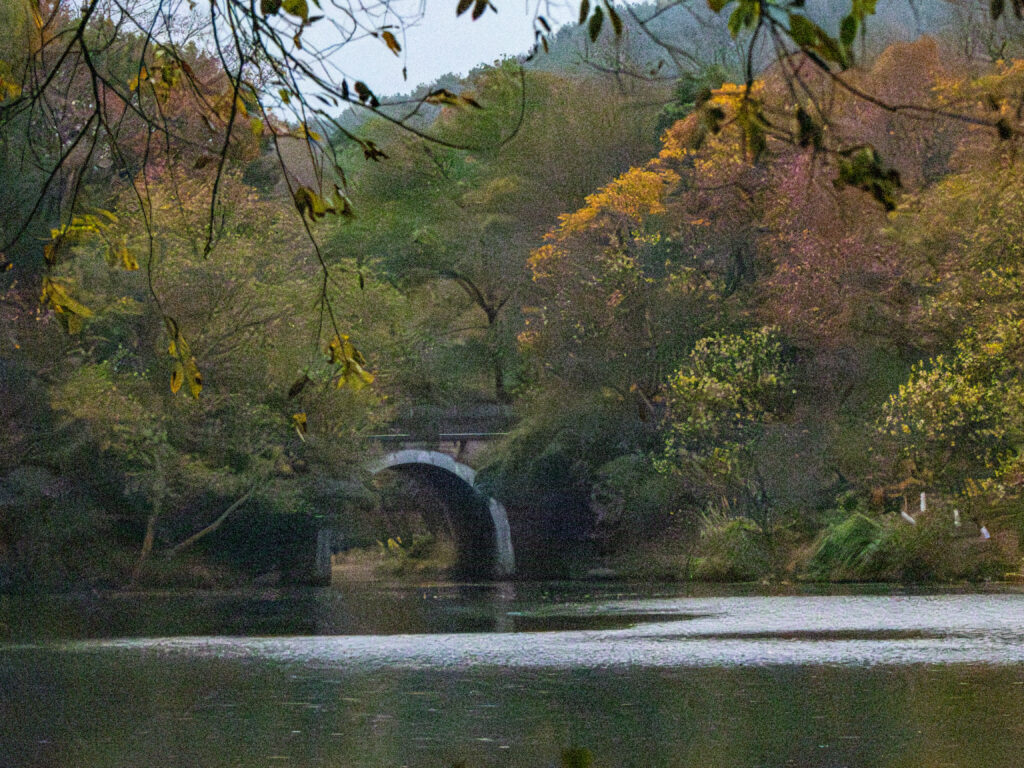
The Pulse of the Lake
My relationship with this city changed after 2020. Like many, the post-COVID era made me look closer at what was right in front of me. I stopped rushing and started looking up. That curiosity led me to become a volunteer for the 2025 Winter Mandarin Duck Ecological Survey.
On a typical Saturday, while the rest of the city is still dreaming, I am at the water’s edge by 7:00 AM. We aren’t just taking photos; we are performing a meticulous grid search. Dozens of us, stationed at different points, count in sync to ensure we don’t miss a single wingbeat or double-count a single bird.
I don’t just show you the lake; I show you its pulse through the lens of a citizen scientist.
People ask me why I bother waking up in the cold for this. I tell them: “Did you know there are over 400 Mandarin Ducks living with us this winter?”
When you know the details, the lake stops being a ‘park’ and starts being a ‘home.’
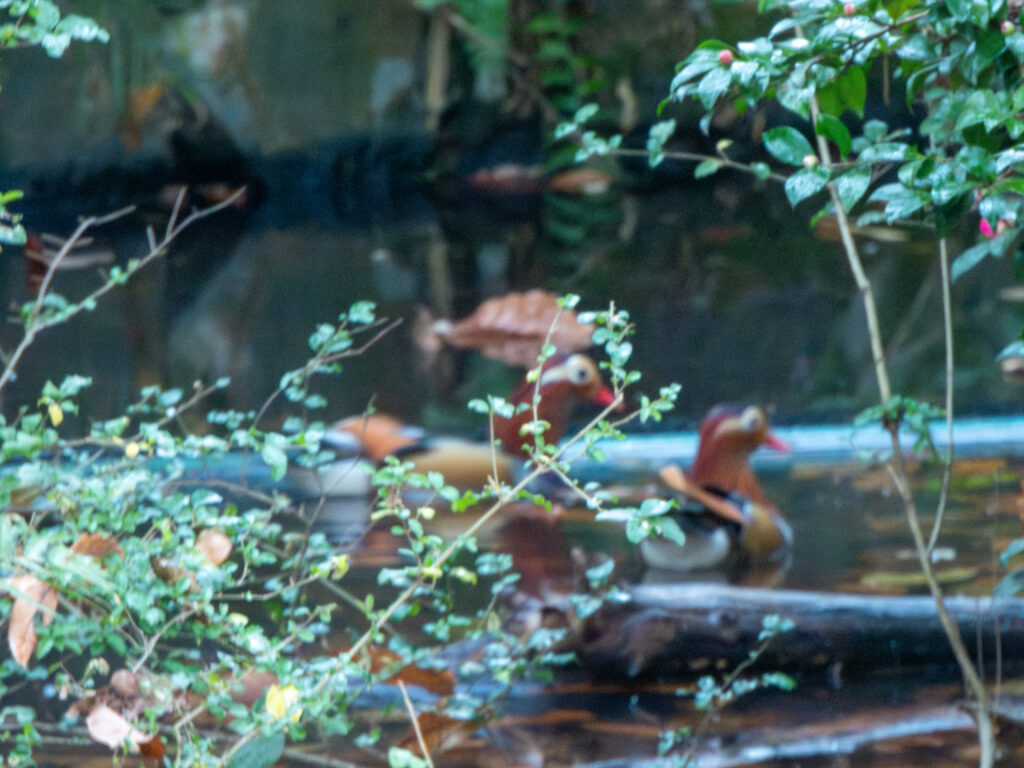
A Hidden Sanctuary
My specific survey zone is the Wuguitan(乌龟潭) area—a small, scenic bay known for its tranquility and beautiful spring scenery, but often overlooked by tourists.
Initially, the work was frustrating. My area seemed empty, a test of patience. But then, my teammates and I discovered a treasure: a small, hidden island along our route.
At 7:00 AM, this island becomes a stage. We were treated to the incredible sight of twenty to thirty Mandarin Ducks descending from the island to feed, preen their feathers, and swim freely. It was a secret base, a gathering spot that even birdwatchers from previous years had missed.
This is the reward for being the quiet observer, for putting in the work to look beyond the postcard.
The Ultimate Sensory Contrast
This seamless transition is the true luxury of Hangzhou.
In twenty minutes, I can transition from counting the wingbeats of a Mandarin Duck in the morning mist to sipping a perfectly pulled espresso in a tech-hub café. This is the Urban Wild—the ability to move from deep, quiet observation to the vibrant energy of a modern metropolis without ever leaving the city limits.
While the Mandarin Ducks are the celebrities, my favorite moments were more intimate.
During my surveys, I spent two months tracking a specific family of Common Moorhens.
I missed two weekends, and when I returned to my post, my teammate pointed to a patch of reeds. “Look,” they whispered, “the chicks have grown up.” I had watched these chicks as tiny black fluff-balls; now, they were sleek, confident sub-adults navigating the same corner of the lake.
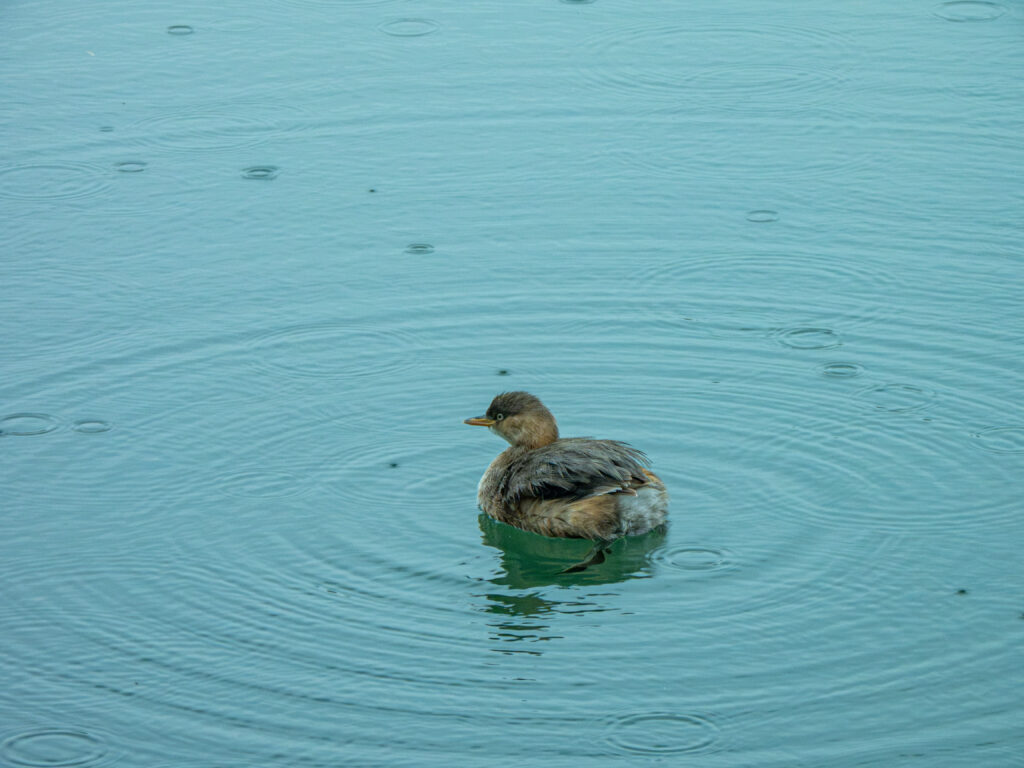
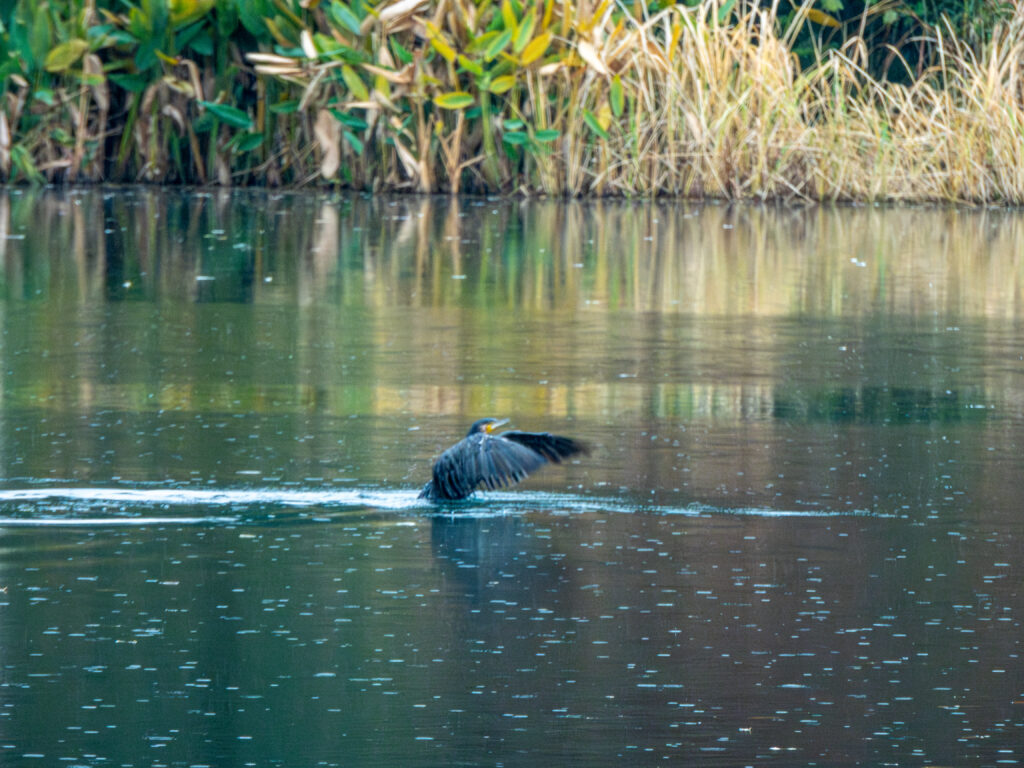
In a city of millions, I had neighbors in the reeds that I recognized by sight. That is the magic of Hangzhou—the intimacy of the wild in the heart of the urban.
A Different Kind of Luxury: Exclusive Access and Inner Peace
When you visit Hangzhou with me, I don’t want to take you to a “scenic spot” where you stand behind a fence. I want to show you the seamless transition from the modern world to the ancient ecosystem instead.
The true luxury here is not about opulence; it is about Exclusive Access and Inner Peace. It is the privilege of seeing the city’s secret pulse, the rhythm that only the quiet observer can find.
Hangzhou isn’t just a place where you look at mountains and water; it’s a place where you live within them. It’s a city that rewards the quiet observer.
Come, be a quiet observer with me.